


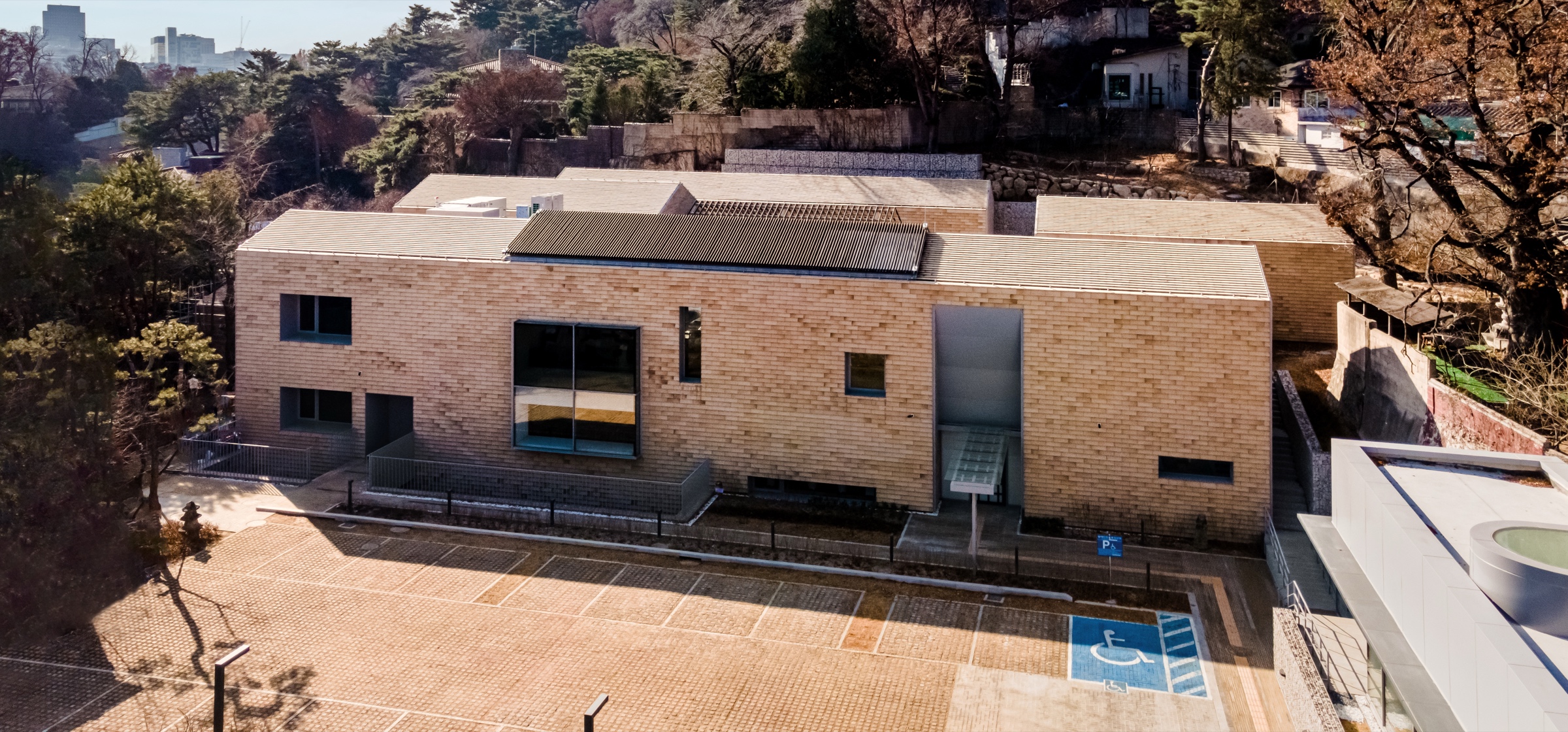
In November 2003, The Museum of Photography, Seoul, Korea’s first museum dedicated to photography, was established. At the time, there were no specialized institutions in Korea that supported photographic creation or systematically exhibited and collected photographic works. The Museum of Photography, Seoul, launched exhibitions, publications, and educational programs to promote the popularization of photographic art and the globalization of Korean photography, while actively fostering exchanges with international photography institutions.
In 2009, in response to the rapid growth of photography in Korea, the museum established the Korea Photographic Culture Research Institute (now Museum Hanmi Research Center) to strengthen its scholarly foundation and elevate the study of Korean photography from individual research to an academic discipline. Since its founding, the institute has published annual sourcebooks that serve as a foundation for research on the history of Korean photography. In 2012, the Hanmi Photo Academy (now Museum Hanmi Academy) was launched to expand the audience for photography and encourage broader public engagement with photographic art. With a faculty composed of practicing photographers in Korea and a structured, step-by-step curriculum, the academy promotes both the understanding and practice of photographic art.
In 2022, marking its 20th anniversary, the museum opened a new space in Samcheong-dong. This move represented a new initiative to expand the scope of photographic art and explore its intersections with contemporary art. To commemorate this new beginning and reaffirm its vision, the museum was relaunched as Museum Hanmi. While embracing the traditions of photography, Museum Hanmi regards contemporary art that engages with photography as an extension of photographic art. It also seeks to foster dialogue with contemporary art by embracing video art and new media practices that utilize diverse digital technologies. Continuing its long-standing dedication to photography, Museum Hanmi welcomes new artistic experiments and achievements emerging in the digital age.
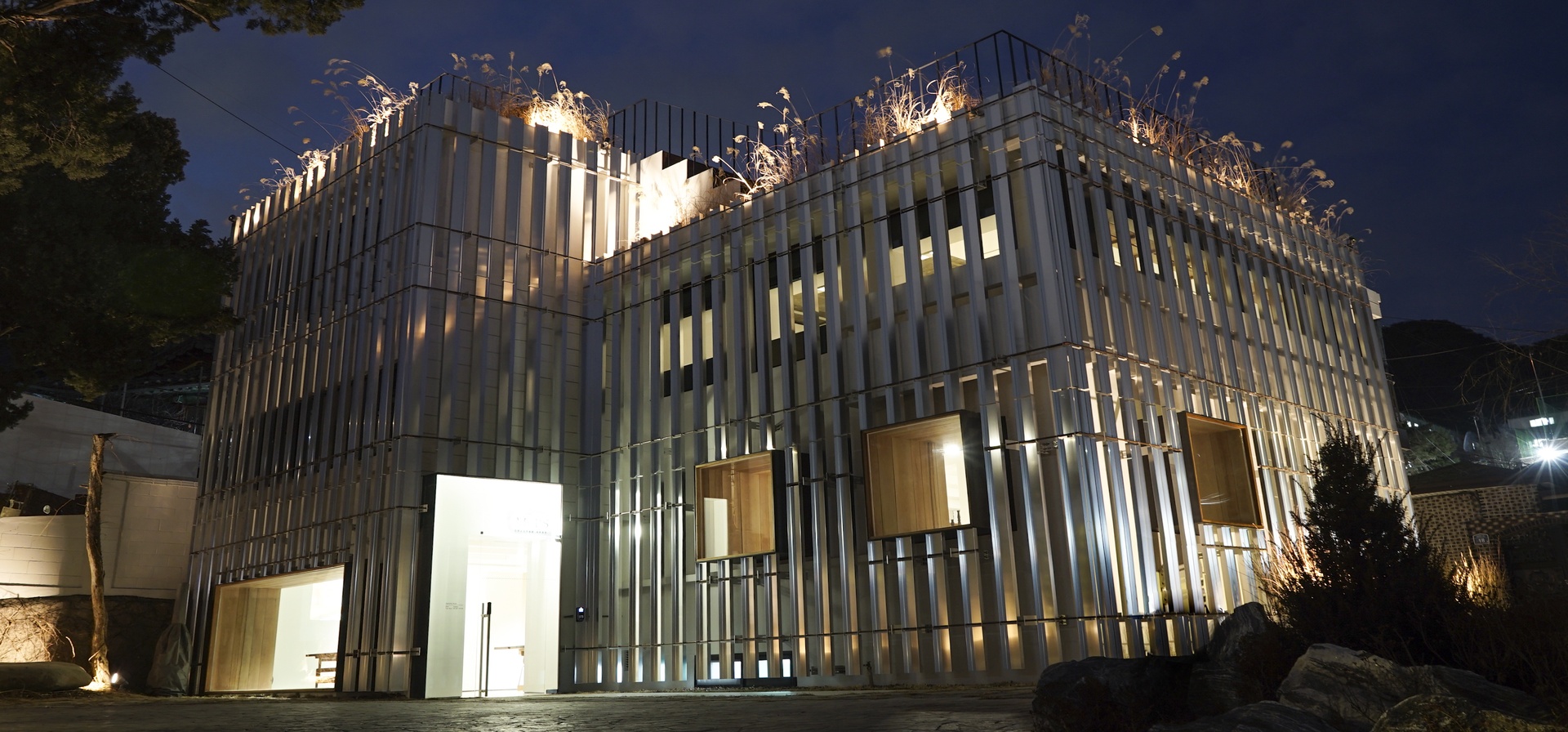
1. Museum Hanmi embraces not only traditional photography but also diverse trends in contemporary art that use photography as a medium.
2. The museum recognizes its collection as part of humanity’s cultural heritage and is committed to its rigorous preservation and management.
3. It continuously plans exhibitions and publications of a global standard, contributing to the development of Korean culture and the arts.
4. Museum Hanmi aims to grow as an institution that bridges the past and present of photographic art while engaging with contemporary art in the digital age.
Toward an Accessible Museum
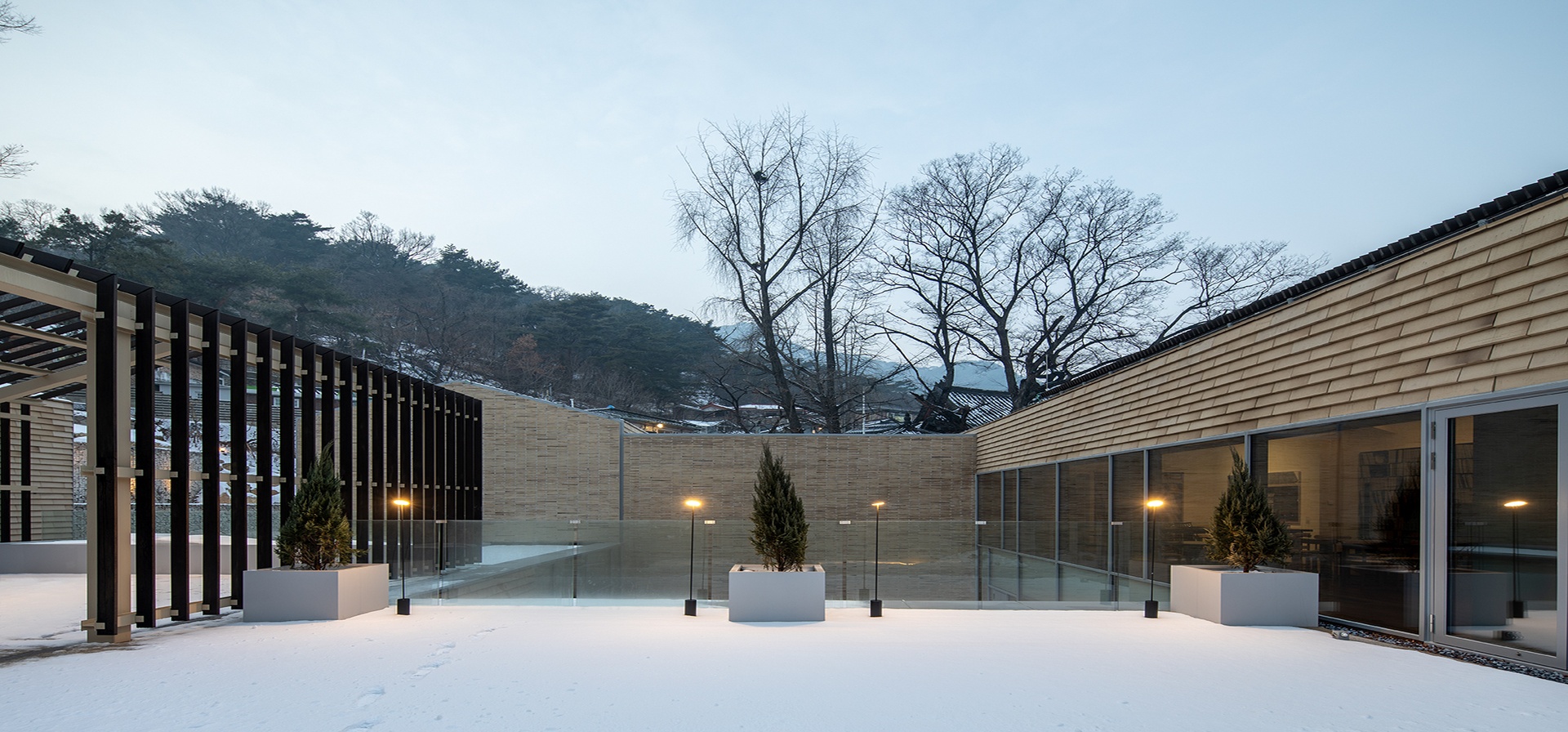
Museum Hanmi operates three venues—Samcheong, Bangi, and Gimpo—under a multi-branch system tailored to the characteristics of each site and its surrounding environment. Samcheong focuses on world-class exhibitions and academy programs for art enthusiasts. Bangi functions as a library-style exhibition space where visitors can view photography exhibitions while also accessing specialized photography books, archives on the history of Korean photography, and a wide range of art publications. It is also home to the Museum Hanmi Research Center, where research, archiving, and publishing activities are carried out. Gimpo prioritizes collaboration with local artists and contributes to the cultural development of the region by offering cultural programs for nearby residents and students.
Since its founding, Museum Hanmi has been deeply committed to publishing exhibition catalogs and books related to its collection. These publications serve as a chronicle of the museum and a historical record of Korean art, while also expressing a belief that books are one of the most effective ways to support artists. This dedication to publishing will continue into the future. Moving forward, the museum plans to expand the publication of art-related theoretical works, including photography, through the Gahyeon Cultural Foundation and Sigak Publishing. Through its books, Museum Hanmi seeks to document the past and present of the museum and to serve as a bridge carrying the achievements of Korean art into the future.


 English
  Korean